Posts

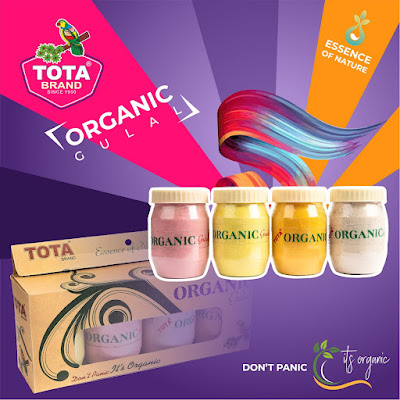
Play safe Holi with organic holi colours and Organic herbal Gulal

Image
Playing safe Holi with organic colors and herbal Gulal is a wonderful idea! Here are some tips to ensure you have a safe and joyful Holi celebration: Choosing Safe Colors: Organic Colors: Opt for organic Holi colors made from natural ingredients. These colors are safe for the skin and the environment. Herbal Gulal: Choose herbal Gulal, which is made from natural herbs and flowers. They are skin-friendly and often have a pleasant fragrance. DIY Natural Colors: You can also make your own colors at home using natural ingredients like turmeric, beetroot, spinach, and flowers like marigold and hibiscus. Protecting Your Skin and Hair: Moisturize: Apply a good amount of oil or moisturizer to your skin before playing Holi. This helps in protecting your skin from the colors and makes it easier to wash them off. Hair Care: Oil your hair well before going out to play. This prevents the colors from sticking to your hair and makes it easier to wash them off later. Nail Care: Apply a dark nail...
Enjoy Holi safely with organic colours

Image
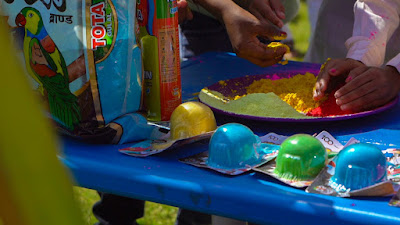
Playing safe with organic colors during Holi is a great way to ensure a fun and eco-friendly celebration.  Here are some tips to help you enjoy Holi safely with organic colors: Choosing Organic Colors Purchase Certified Organic Colors: Organic colors that are certified organic. These Organic holi colors are made from natural ingredients and are free from harmful chemicals. Check Ingredients: Always check the ingredient list. Organic colors should be made from natural ingredients like turmeric, beetroot, spinach, and flowers. Homemade Colors: Always use homemade colors,  organic holi colors made at home. For example, you can use turmeric for yellow, beetroot for red, and henna or spinach for green. Homemade Organic Colors Yellow: Mix turmeric powder with gram flour or use dried marigold petals. Red: Boil beetroot in water to extract the color, or dry red hibiscus flowers and grind them into a powder. Green: Use henna powder or finely ground spinach leaves. Blue: Dry and ...

herbal gulal is non-toxic, safe for the skin

Image
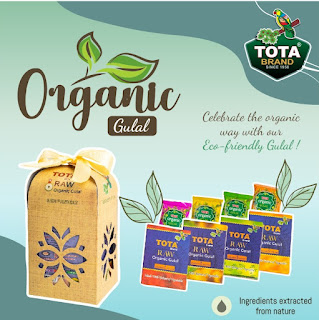
Herbal gulal is a natural and eco-friendly alternative to synthetic gulal, traditionally used during the festival of Holi in India. Made from plant-based ingredients , herbal gulal is non-toxic, safe for the skin, and environmentally friendly.  Here's a detailed overview: Ingredients and Preparation Herbal gulal is prepared using various natural ingredients such as: Turmeric (Haldi): Provides a yellow color. It can be used directly or mixed with other natural ingredients. Beetroot: Gives a vibrant red or pink color. Beetroot juice is dried and powdered. Marigold Flowers: Dried and powdered to give a yellow-orange color. Neem: Leaves are dried and powdered for a green color. Neem also has antibacterial properties. Hibiscus: Flowers are dried and powdered for a red or pink color. Indigo: Leaves provide a blue color. Spinach: Leaves can be dried and powdered for green gulal. Sandalwood: Provides a pleasant fragrance along with a reddish tint. Preparation Method Drying: Natural ingr...

Enjoy the festival of Holi use Holi color Powder

Image
In India, Holi color powder , also known as "Gulal," plays a central role in the vibrant and joyous celebration of the Holi festival.  Here's a basic description of Holi color powder and its significance: Holi Color Powder (Gulal): 1. Traditional Ingredients: Organic Powders: Historically, natural ingredients like turmeric, neem, sandalwood, and other herbal extracts were used to make Gulal. Synthetic Dyes (Modern): In contemporary times, synthetic dyes are often used to create a wide range of bright and vivid colors. 2. Vibrant Colors: Gulal comes in a spectrum of vibrant colors, including red, yellow, green, blue, purple, pink, and more. Each color holds its own significance, symbolizing various aspects of life, nature, and emotions. 3. Application: During Holi celebrations, people joyfully smear or throw Gulal powder on each other as a gesture of love, friendship, and unity. The colorful powder adds to the festive atmosphere, creating an ambiance of joy and merriment...

Celebrate Holi safer and eco-friendly with Holi Gulal Powder

Image
Holi gulal powder is a vibrant colored powder used during the Hindu festival of Holi, also known as the Festival of Colors. It is typically made of non-toxic, water-soluble substances, and is thrown or smeared on people during the celebration, symbolizing the arrival of spring and the victory of good over evil. Holi gulal powder , often simply referred to as "gulal," is a brightly colored powder used during the Hindu festival of Holi, also known as the Festival of Colors. Gulal powder is typically made from synthetic pigments, starch, and sometimes perfumes. It is available in a variety of vibrant colors, including red, yellow, green, blue, and purple. Here's how traditional Holi gulal powder is made: Starch or Flour: The base of gulal powder is often made from edible starches like cornstarch, wheat flour, or rice flour. These substances provide the powder with a fine texture and help it stick to the skin. Pigments: Synthetic or natural pigments are added to the base to...

Use Herbal Gulal Powder during Holi celebrations

Image
Herbal gulal powder is a type of colored powder used during traditional Indian festivals, particularly during the festival of Holi. Gulal powder is typically made from natural ingredients such as herbs, flowers, and plant-based dyes, which are finely ground into a powder form.  These Holi Gulal powders are non-toxic and are commonly used for smearing or throwing at others during Holi celebrations as a sign of joy and camaraderie. The use of herbal gulal powder has gained popularity due to concerns about the environmental and health impacts of synthetic colors often used in traditional Holi celebrations. Herbal gulal powder is believed to be safer for the skin and the environment compared to synthetic alternatives. Various herbs and natural substances are used to create different colors of herbal gulal powder. For example, henna powder may be used to create a red color, turmeric for yellow, indigo for blue, and so on. Some common herbs used in the preparation of herbal gulal po...