Posts

Showing posts with the label herbal colours

Enjoy safe & Nature-friendly Holi celebrations

Image
Eco-friendly colors for Holi are natural, non-toxic, and biodegradable alternatives to synthetic colors, designed to reduce environmental harm and skin irritation. These colors are often made from organic or plant-based ingredients, ensuring a safer and more sustainable celebration. Unlike chemical-based colors, eco-friendly options do not contain harmful substances like heavy metals, synthetic dyes, or artificial fragrances. Common Ingredients and Colors: Red: Made from dried hibiscus flowers, beetroot powder, or red sandalwood powder. Yellow: Derived from turmeric, marigold flowers, or ground gram flour (besan) mixed with turmeric for a soft yellow color. Green: Created from powdered spinach leaves, neem leaves, or henna, producing gentle green shades. Blue: Made using natural indigo powder, or crushed jacaranda or butterfly pea flowers. Orange: Extracted from flame of the forest (palash) flowers or saffron. Pink/Magenta: Achieved using beetroot, rose petals, or dried pomegranate p...

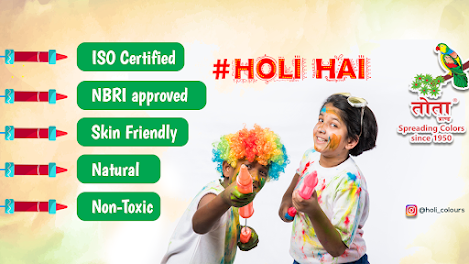
Herbal Holi Colors are Non-toxic and safe

Image
Herbal Holi colors are made from plant-based ingredients like flowers, leaves, and natural herbs. They are eco-friendly and non-toxic, providing a safe and gentle alternative to synthetic chemical-based colors. Basic Ingredients for Herbal Holi Colours : Flowers: Marigold: Used for yellow and orange shades. Rose, Hibiscus: Used for red and pink tones. Herbs: Neem, Tulsi (Holy Basil): Provide green colors with their natural pigments. Turmeric: A well-known herb used for bright yellow color. Natural Clays: Fuller's Earth (Multani Mitti): Gives earthy colors and improves texture. Dried Fruits & Vegetables: Beetroot: Used for purple and pink hues. Spinach: For natural green pigment. Spices: Saffron, Red Sandalwood: For orange and red shades. Common Herbal Holi Colors and Preparation: Yellow: Turmeric: Mix turmeric powder with besan (gram flour) or cornflour for a bright yellow herbal color. Green: Neem: Grind dried neem leaves into a fine powder. Combine with flour for a green sha...

Holi gulal powder - Celebration of joy, love, and unity that Holi represents

Image
Holi gulal powder is a vibrant, colored powder traditionally used during the Hindu festival of Holi, also known as the Festival of Colors. Made from natural or synthetic ingredients, gulal powder comes in a variety of bright colors like red, yellow, green, blue, and pink. During Holi, people throw this powder at each other in celebration, symbolizing joy, love, and the arrival of spring. The Holi gulal powder is typically fine, lightweight, and easy to spread, creating a colorful, festive atmosphere. Holi color powder , also known as gulal, is a brightly colored powder used during the Hindu festival of Holi. This powder comes in various vibrant colors, such as red, blue, yellow, green, and pink, and is made from natural or synthetic materials. During Holi, people throw this powder on each other, covering themselves and others in vivid hues as part of the celebration. The Holi Colour Powder is light, fine, and easy to spread, creating a lively and colorful environment that symbolizes ...

Organic colours are biodegradable, non-toxic, and environmentally friendly

Image
Organic Colours and Holi Powders Overview: Holi, the vibrant festival of colors celebrated in India and many other parts of the world, involves the playful throwing of colored powders. Traditional Holi colors were made using natural ingredients, but with industrialization, synthetic dyes became prevalent. However, due to health and environmental concerns, there has been a resurgence in the use of organic and herbal colors. Organic Colours: Definition: Organic colours are derived from natural sources such as plants, minerals, and other natural substances. They do not contain synthetic chemicals or additives. Benefits: These Organic colours are biodegradable, non-toxic, and environmentally friendly. They are safe for the skin and reduce the risk of allergies and skin reactions. Holi Powders: Traditional Holi Powders: Made from natural ingredients like turmeric, neem, marigold flowers, and other plant-based materials. Modern Holi Powders: Often made from synthetic dyes, which can be har...

Organic Holi Colors, safe for skin and the environment

Image
Organic Holi Colors : Made from natural ingredients like turmeric, beetroot, henna, and flower petals. These colors are free from harmful chemicals and are safe for skin and the environment. Herbal Colours for Holi : Derived from medicinal herbs, these colors not only add vibrancy to the festival but also provide skin benefits. Common ingredients include neem, tulsi, and hibiscus. Eco-Friendly Colours for Holi : These colors are produced using sustainable practices and biodegradable materials, ensuring minimal environmental impact. They are safe for all ages and reduce the risk of skin allergies and pollution. Herbal Holi Colors : Similar to herbal colours , these are made using plant-based extracts and essential oils, offering a safe alternative to synthetic dyes. They promote a healthy celebration by avoiding toxins. Holi Color Powder : Also known as gulal, these powders are used to smear on friends and family during Holi. When made from organic or herbal sources, they provide a s...

Find here non toxic and herbal colours - skin-friendly and safe for children

Image
Non-toxic colours, herbal colours, and color powders , including those used for Holi, are popular for their safety and eco-friendly properties. Here’s a basic description of each: Non-Toxic Colours : Definition: These are colors made from materials that are free from harmful chemicals and substances. They are safe for use on the skin and for the environment. Uses: Commonly used in arts and crafts, children's toys, and festive celebrations to ensure safety. Composition: Often made from food-grade ingredients, natural dyes, or synthetic compounds that are tested for safety. Herbal Colours Definition: Herbal Colours derived from natural sources such as plants, fruits, and vegetables. They are organic and biodegradable. Uses: Widely used in personal care products, food, and traditional celebrations like Holi. Composition: Typically made from dried flowers, leaves, spices, and other plant materials. For example, turmeric for yellow, beetroot for red, and indigo for blue. Colour Powder ...

Find herbal colors, organic colors, and non-toxic gulal wholesale supplier

Image
 Herbal colours are natural dyes derived from plants, fruits, vegetables, and other natural sources. Characteristics: Made using plant-based materials such as turmeric, henna, beetroot, indigo, etc. Free from synthetic chemicals and artificial additives. Eco-friendly and biodegradable. Gentle on the skin, reducing the risk of allergic reactions and irritations. Often used in traditional practices, such as during festivals like Holi in India. Examples: Yellow from turmeric powder. Red from beetroot or red sandalwood. Green from henna or spinach leaves. Blue from indigo plants. Organic Colors Definition: Organic colors are dyes produced using organic farming methods, meaning they are grown without synthetic pesticides, herbicides, and fertilizers. Characteristics: Derived from organically grown plants and minerals. Certified by organic standards to ensure they are free from harmful chemicals. Environmentally sustainable as they promote ecological balance. Safe for use on skin and in...

herbal gulal is non-toxic, safe for the skin

Image
Herbal gulal is a natural and eco-friendly alternative to synthetic gulal, traditionally used during the festival of Holi in India. Made from plant-based ingredients , herbal gulal is non-toxic, safe for the skin, and environmentally friendly.  Here's a detailed overview: Ingredients and Preparation Herbal gulal is prepared using various natural ingredients such as: Turmeric (Haldi): Provides a yellow color. It can be used directly or mixed with other natural ingredients. Beetroot: Gives a vibrant red or pink color. Beetroot juice is dried and powdered. Marigold Flowers: Dried and powdered to give a yellow-orange color. Neem: Leaves are dried and powdered for a green color. Neem also has antibacterial properties. Hibiscus: Flowers are dried and powdered for a red or pink color. Indigo: Leaves provide a blue color. Spinach: Leaves can be dried and powdered for green gulal. Sandalwood: Provides a pleasant fragrance along with a reddish tint. Preparation Method Drying: Natural ingr...